In the precision manufacturing landscape, complex CNC machined parts—characterized by intricate geometries, tight tolerances (often ±0.005mm or higher), and diverse material requirements—are increasingly in demand across automotive, aerospace, medical, and consumer electronics industries. High-Speed Cutting (HSC) has emerged as a game-changing technology to meet these demands, offering faster production cycles, superior surface finishes, and reduced tool wear. However, leveraging HSC for complex parts is far from straightforward, with unique challenges that can derail efficiency, quality, and profitability.
Drawing on years of experience in CNC machining and precision manufacturing, we break down the core challenges of HSC for complex parts and share actionable tips to overcome them. Whether you’re machining titanium aerospace components, medical device parts, or intricate automotive components, these insights will help you optimize your high-speed cutting processes.
I. Core Challenges of High-Speed Cutting for Complex Parts
Complex parts—such as deep cavities, thin-walled structures, or parts with multiple curved surfaces—amplify the inherent challenges of high-speed cutting. Below are the most common pain points manufacturers face:
1. Thermal Deformation & Material Damage
High-speed cutting generates intense heat at the tool-workpiece interface. For complex parts with uneven material distribution (e.g., thin walls adjacent to thick ribs) or heat-sensitive materials (e.g., aluminum alloys, medical-grade plastics), this heat can cause thermal deformation, warping, or even material degradation. For example, thin-walled automotive components may lose dimensional accuracy due to heat-induced expansion, while medical parts made of PEEK can suffer from surface burns if heat is not controlled.
2. Vibration & Chatter
Vibration (or chatter) is a major enemy of HSC, especially for complex parts. The combination of high spindle speeds, long tool overhangs (common in deep-cavity machining), and uneven cutting loads creates harmonic vibrations. This not only reduces surface finish quality (leaving chatter marks) but also accelerates tool wear and can even damage the CNC machine spindle. For parts with intricate features like internal threads or curved channels, vibration can make it nearly impossible to meet tight tolerance requirements.
3. Tool Life Shortage & Cost Escalation
Complex parts often require specialized cutting tools (e.g., micro-end mills, ball nose cutters, or indexable inserts) to reach hard-to-access areas. In high-speed cutting, the intense cutting forces and heat put extreme stress on these tools, leading to premature wear, chipping, or breakage. Frequent tool changes increase production downtime, while the cost of specialized tools adds up—significantly impacting overall profitability, especially for high-volume production runs.
4. Programming Complexity & Error Risks
High-speed cutting for complex parts demands precise CNC programming. Traditional programming methods struggle to account for dynamic factors like varying cutting depths, tool paths, and material properties. Poorly optimized tool paths can lead to inefficient cutting (e.g., excessive air cutting), tool collisions, or uneven material removal. For parts with 3D curved surfaces or undercuts, programming errors can result in costly rework or scrapped parts—especially when machining high-value materials like titanium or Inconel.
5. Dimensional Accuracy Control
Complex parts often have multiple critical features that require tight tolerances. In high-speed cutting, even minor deviations—from tool wear, thermal expansion, or vibration—can cause these features to fall out of spec. For example, aerospace components with interlocking parts may fail assembly if hole positions or surface profiles are off by just a few microns. Ensuring consistent dimensional accuracy across all features of a complex part is one of the biggest challenges in HSC.
II. Actionable Tips to Boost High-Speed Cutting Efficiency for Complex Parts
Overcoming the above challenges requires a combination of advanced technology, optimized processes, and expert knowledge. Below are our proven tips to enhance HSC efficiency and quality for complex CNC machined parts:
1. Optimize Tool Selection & Tool Paths
Tool selection is critical for HSC success. Choose cutting tools specifically designed for high-speed applications:
- Use tools with high-quality coatings (e.g., TiAlN, AlCrN) to reduce friction and heat buildup, extending tool life by up to 50%.
- Opt for solid carbide tools for high-hardness materials (e.g., steel, titanium) or micro-end mills for intricate small features.
- Minimize tool overhang by using shorter tools or custom fixtures—this reduces vibration and improves stability.
For tool paths, leverage CAM software with advanced HSC capabilities: Use adaptive clearing strategies to maintain a constant chip load, reducing cutting forces and heat. This is especially effective for deep-cavity machining.Implement trochoidal milling for hard-to-reach areas—this reduces tool contact time with the workpiece, lowering heat and vibration.Add lead-in/lead-out moves to avoid sudden tool engagement, which can cause chipping or vibration.
2. Control Heat Generation with Coolant & Cutting Parameters
Effective heat management is key to preventing thermal deformation. Adjust your cutting parameters and coolant strategy based on the material and part complexity:
- Use high-pressure coolant systems (3000+ psi) to direct coolant precisely to the tool-workpiece interface. This flushes away chips, cools the tool and workpiece, and reduces friction.
- For heat-sensitive materials (e.g., aluminum, PEEK), consider cryogenic cooling (using liquid nitrogen) to maintain part stability and surface quality.
- Optimize cutting parameters (spindle speed, feed rate, depth of cut) to balance speed and heat. For example, increase feed rate slightly while reducing depth of cut to minimize heat buildup without sacrificing efficiency.
3. Reduce Vibration with Machine & Fixture Optimization
Stabilizing the machining process is essential to eliminating chatter. Focus on machine and fixture improvements:
- Ensure your CNC machine is properly calibrated and maintained—check spindle runout, axis alignment, and ball screw backlash regularly. A stable machine foundation (e.g., anti-vibration pads) can also reduce external vibrations.
- Use rigid, custom fixtures to secure the workpiece firmly. For thin-walled parts, use vacuum fixtures or support structures to prevent deflection during cutting.
- Implement variable spindle speed technology (chatter suppression) to adjust spindle speed dynamically and avoid resonant frequencies that cause vibration.
4. Implement Advanced Quality Control & Monitoring
Proactive quality control helps catch issues early and maintain dimensional accuracy. Integrate these practices into your HSC process:
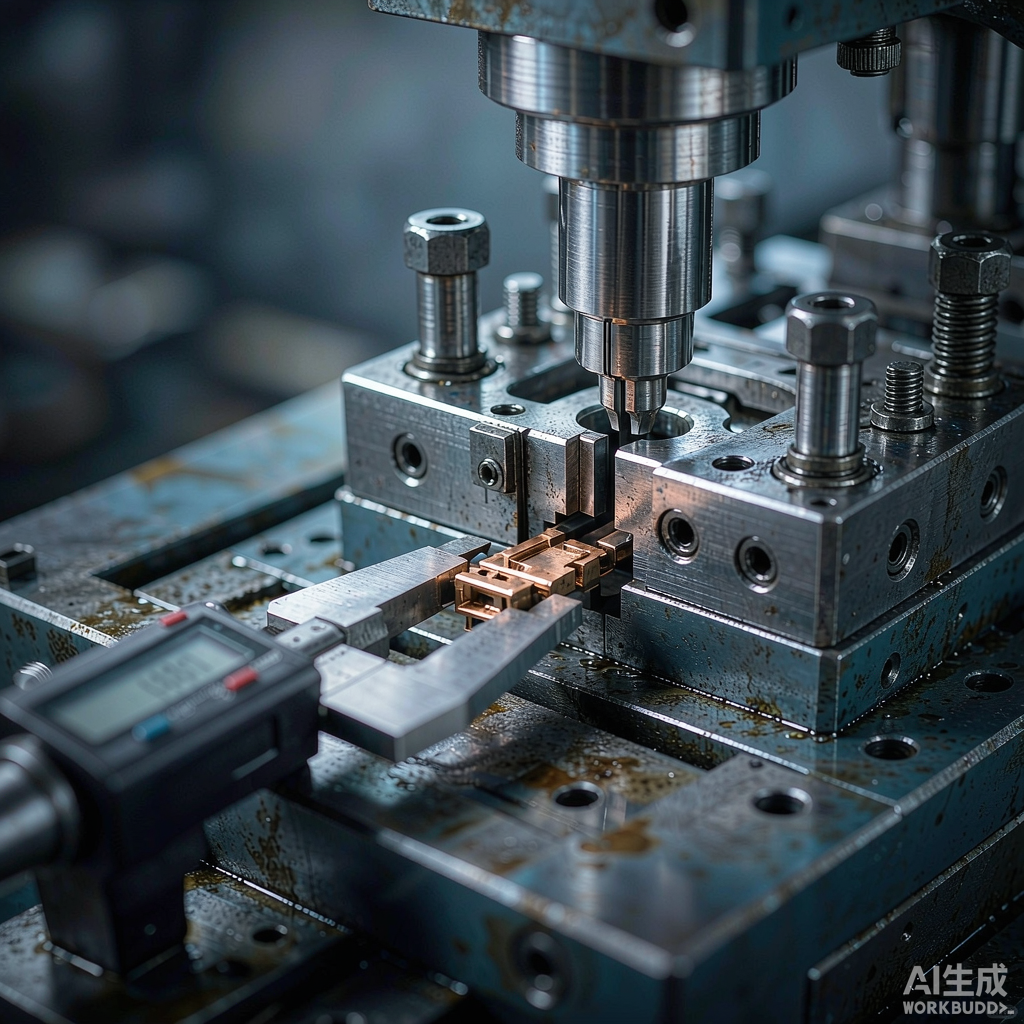
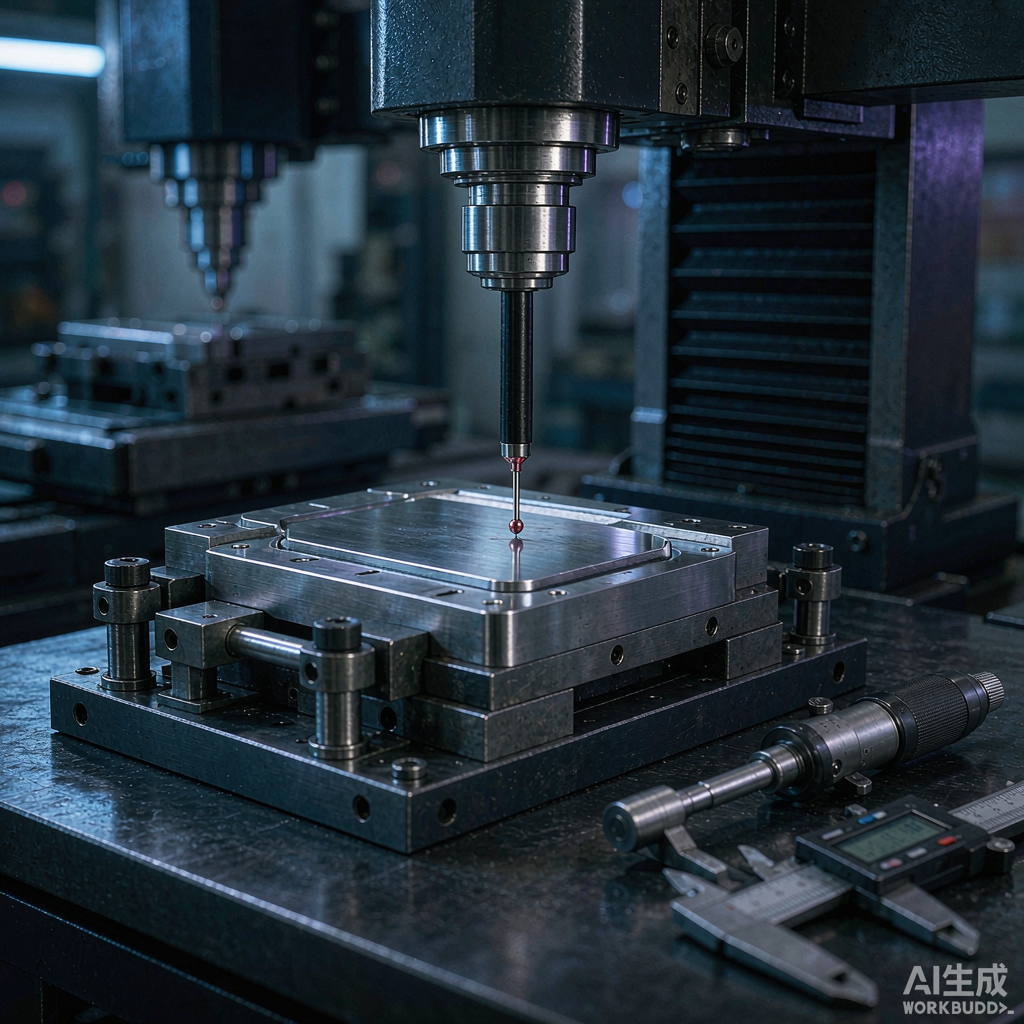
- Use in-line measurement tools (e.g., touch probes) to verify critical features during machining. This allows for real-time adjustments if deviations are detected, reducing scrap rates.
- Leverage machine monitoring software to track tool wear, spindle load, and cutting temperatures. Alerts can be set up to notify operators when tools need changing or parameters need adjustment.
- Perform post-machining inspections using high-precision equipment (e.g., CMM machines) to validate tolerances and surface finish—especially for high-criticality parts like aerospace or medical components.
5. Partner with an Experienced CNC Machining Provider
For complex parts requiring high-speed cutting, partnering with a manufacturer with specialized expertise can streamline production and reduce risks. Look for a provider that offers:
- State-of-the-art CNC machines (5-axis, high-speed spindles) capable of handling complex geometries and tight tolerances.
- Expert CAM programming teams with experience in HSC optimization for diverse materials (aluminum, steel, titanium, plastics).
- Comprehensive quality control systems (ISO 9001, ISO 13485 for medical) to ensure consistent part quality.
- Custom solutions, including tooling, fixturing, and process design tailored to your specific part requirements.
III. Our CNC Machining Capabilities for Complex Parts
At PreciseWorksPlus, we specialize in high-speed CNC machining for complex parts across automotive, aerospace, medical, and consumer electronics industries. Our capabilities include:
- Advanced 5-axis CNC machines with high-speed spindles (up to 40,000 RPM) for precise machining of intricate geometries, thin-walled structures, and deep cavities.
- Expert CAM programming using industry-leading software (Mastercam, SolidWorks CAM) to optimize tool paths for HSC, reducing cycle time by 20-30% while maintaining tight tolerances (±0.005mm).
- Comprehensive heat management solutions, including high-pressure coolant systems and cryogenic cooling, to prevent thermal deformation in heat-sensitive materials.
- Strict quality control processes, including in-line touch probes and CMM inspections, to ensure every part meets your specifications.
- Experience with a wide range of materials, from aluminum and steel to titanium, Inconel, and medical-grade plastics (PEEK, ABS).
Whether you need high-volume production of automotive components or low-volume, high-precision medical device parts, our team has the expertise to optimize your high-speed cutting processes and deliver consistent, high-quality results.
IV. Conclusion
High-speed cutting offers immense benefits for complex CNC machined parts—faster production, better surface finishes, and lower tool wear—but it requires careful navigation of thermal deformation, vibration, tool life, and programming challenges. By optimizing tool selection, controlling heat, stabilizing the machining process, and implementing proactive quality control, you can unlock the full potential of HSC.
If you’re struggling with high-speed cutting efficiency for complex parts, or if you need a reliable partner to handle your precision CNC machining needs, contact PreciseWorksPlus today. Our team of experts will work with you to design a tailored solution that meets your quality, cost, and lead time requirements.