When it comes to precision metal stamping, choosing the right die type is critical to achieving optimal production efficiency, product quality, and cost-effectiveness. Two of the most widely used die solutions in the industry are progressive stamping dies and transfer stamping dies. While both are designed to shape metal materials into desired components, their structural designs, working principles, and application scenarios differ significantly.
In this post, we’ll break down the key differences between progressive stamping dies and transfer stamping dies, help you understand their respective advantages and limitations, and guide you to select the right die type for your specific project needs. Whether you’re manufacturing small electronic components or large automotive parts, this guide will provide valuable insights for your stamping production decisions.
1. What Are Progressive Stamping Dies?
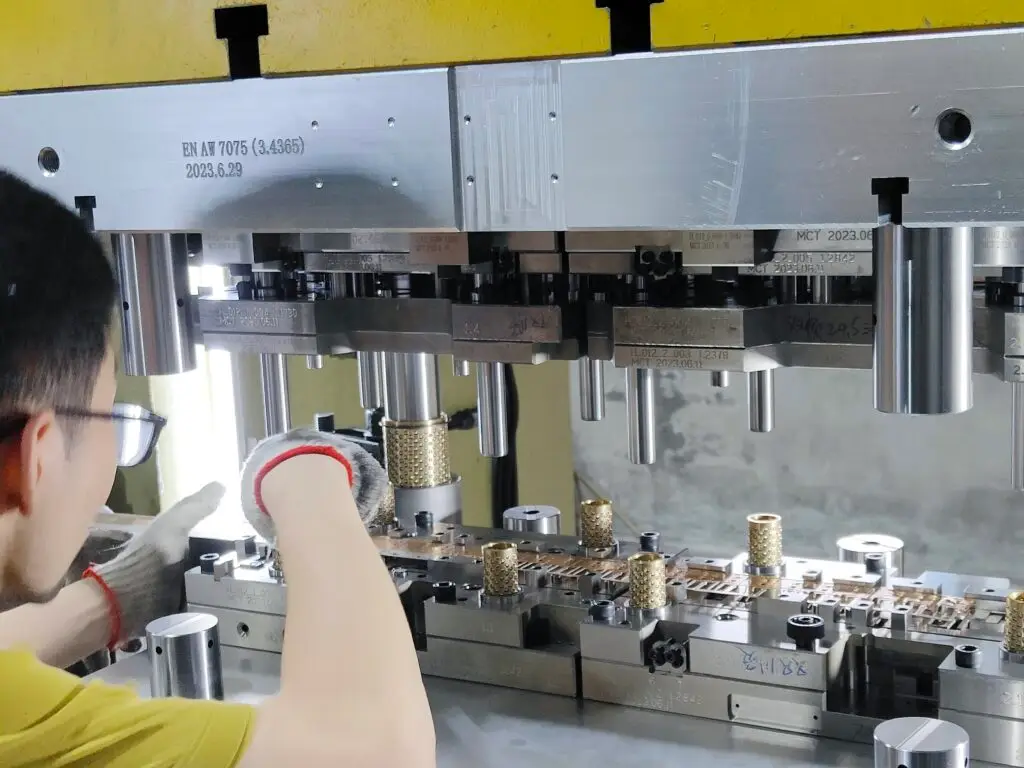
Progressive stamping dies are a type of multi-station stamping die that integrates multiple processing steps (such as blanking, bending, punching, forming, and trimming) into a single die set. During the stamping process, the metal strip is fed continuously through the die from start to finish. With each stroke of the press, the strip moves forward by a fixed distance (called the pitch), and each station completes a specific processing operation in sequence. By the time the strip reaches the final station, the finished product is separated from the strip, and the remaining scrap is discharged automatically.
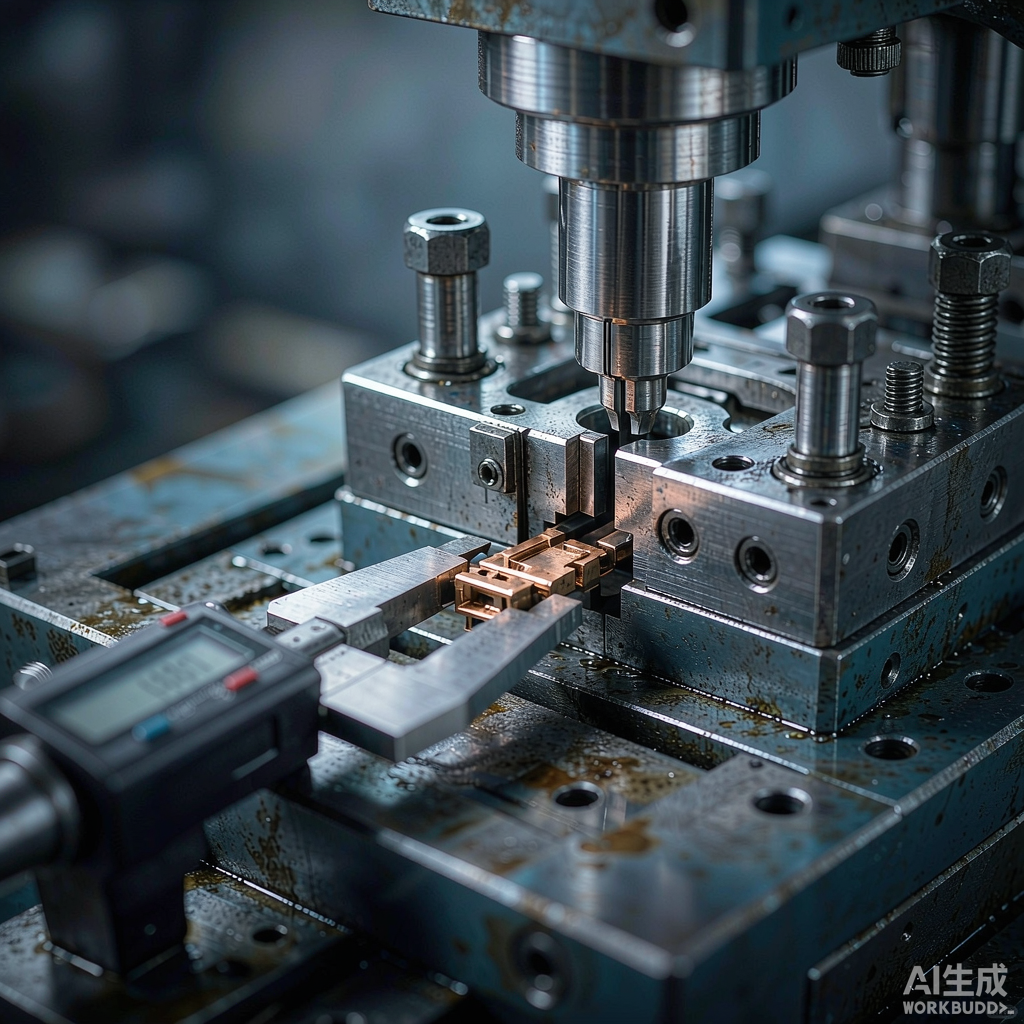
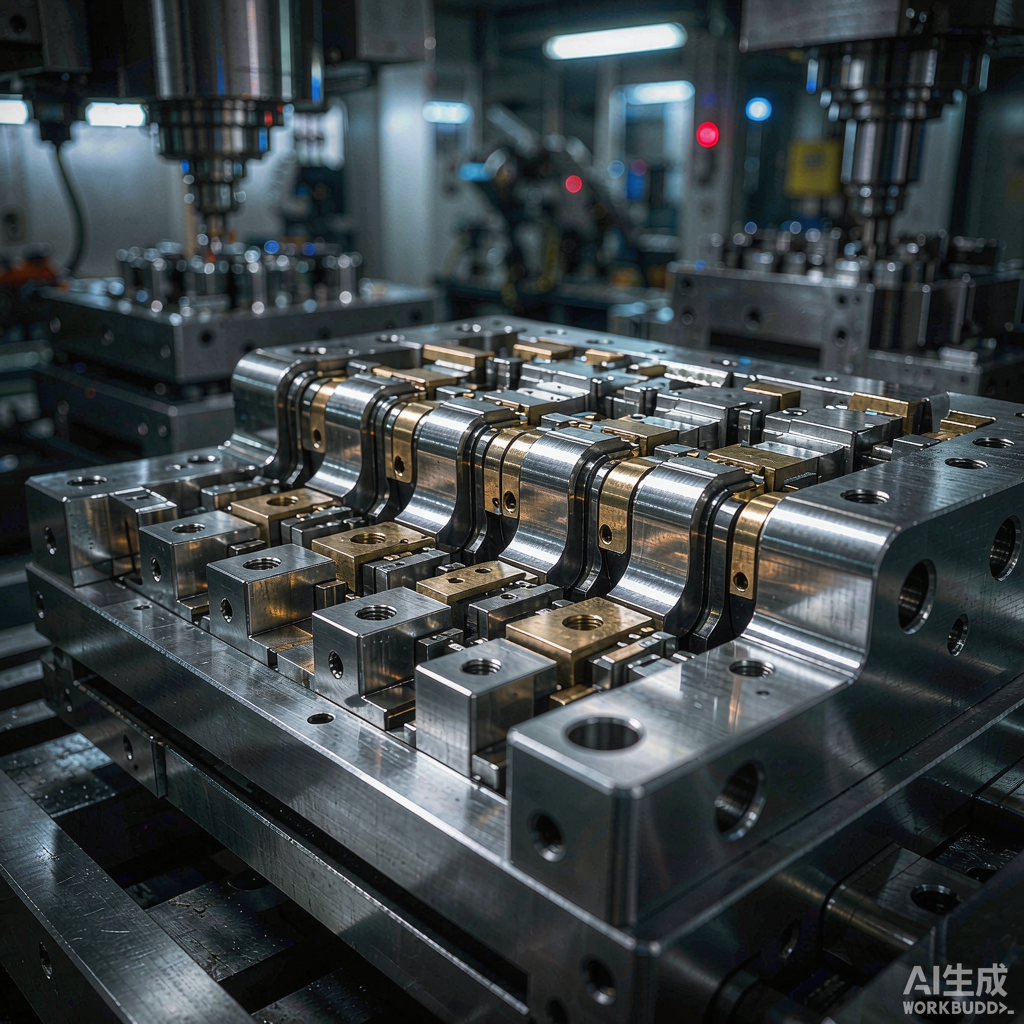
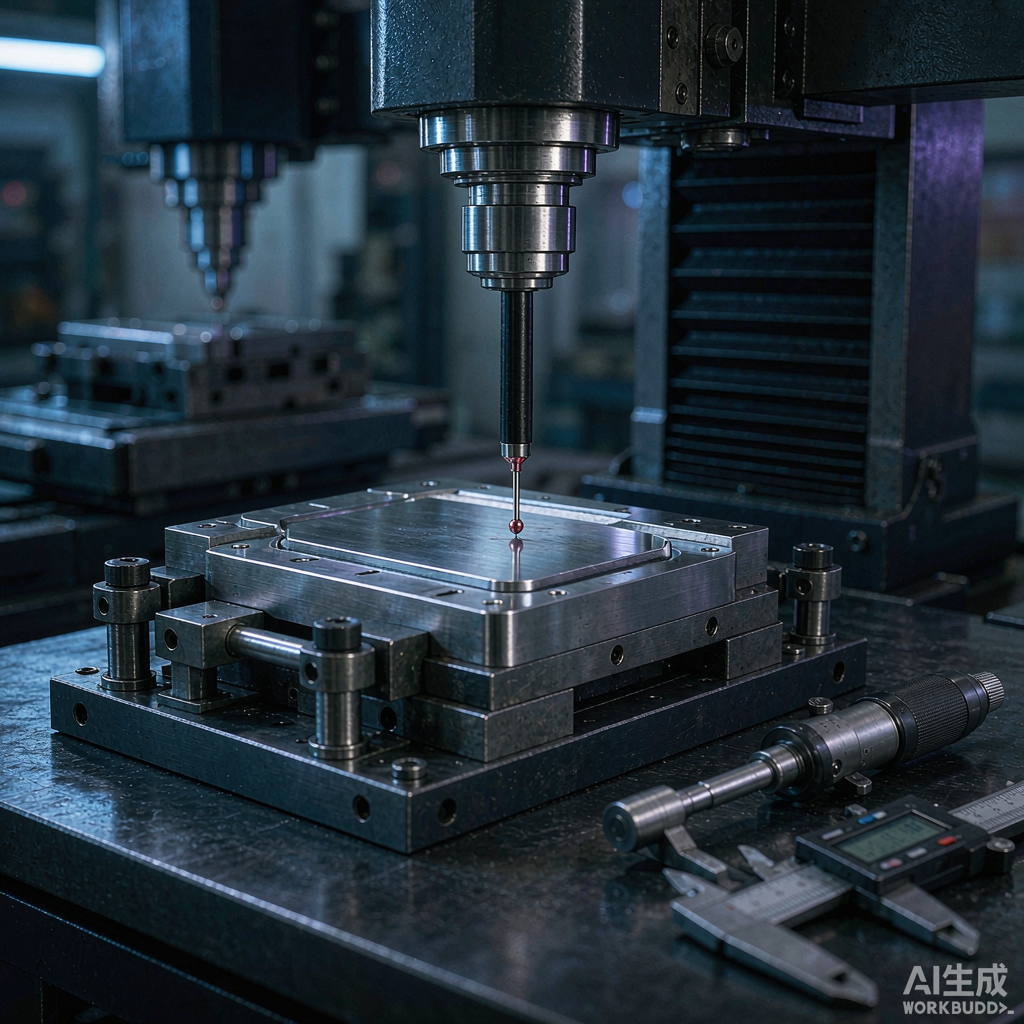
A typical progressive stamping die consists of a upper die base, lower die base, punch, die insert, guide mechanism, feeding mechanism, and scrap discharge system. The entire process is highly automated, requiring minimal manual intervention once the production line is set up.
2. What Are Transfer Stamping Dies?
Transfer stamping dies, also known as transfer presses or transfer dies, are designed for processing large or complex metal components that require multiple forming steps. Unlike progressive stamping dies that use a continuous metal strip, transfer stamping dies process individual blanks. The blanks are first cut from the metal sheet (either by a separate blanking die or an integrated blanking station) and then transferred from one processing station to the next by a dedicated transfer mechanism (such as grippers, fingers, or conveyors).
Each station in a transfer stamping die performs a specific forming operation, and the transfer mechanism ensures precise positioning of the blank at each station. After completing all processing steps at the final station, the finished product is discharged, and the next blank is fed into the first station to start a new cycle. Transfer stamping dies are often used in conjunction with automated feeding and unloading systems to achieve high-volume production.
3. Key Differences Between Progressive and Transfer Stamping Dies
To help you clearly distinguish between the two die types, we’ve summarized their core differences in the following aspects:
3.1 Feeding Method & Material Form
Progressive Stamping Dies: Use continuous metal strips or coils as the raw material. The strip is fed automatically and continuously through the die, with each press stroke advancing the strip by a fixed pitch. This eliminates the need for separate blanking steps (in most cases) and ensures a smooth, uninterrupted production flow.
Transfer Stamping Dies: Process individual blanks. The blanks are either pre-blanked (by a separate die) or blanked at the first station of the transfer die. A transfer mechanism moves the blanks from one station to another, which means there is a brief interval between the processing of each blank (though this is minimized by high-speed transfer systems).
3.2 Structural Complexity & Precision Requirements
Progressive Stamping Dies: The structure is relatively compact but requires high precision in the design of the pitch, station layout, and guide mechanisms. Since the strip is processed continuously, any deviation in the pitch or station alignment will affect the quality of all subsequent products. However, the integration of multiple steps into one die simplifies the overall production line layout.
Transfer Stamping Dies: Have a more complex structure due to the addition of the transfer mechanism. The transfer system must achieve precise positioning of the blank at each station (with positioning accuracy often in the range of ±0.01mm to ±0.05mm) to ensure the consistency of product dimensions. Additionally, the die set is usually larger to accommodate the transfer mechanism and the larger blanks/components being processed.
3.3 Application Scenarios
Progressive Stamping Dies: Ideal for small to medium-sized, simple to moderately complex metal components with high production volumes. Common applications include: electronic components (such as connectors, terminals, and shielding covers), automotive small parts (such as washers, clips, and fasteners), and household appliance parts (such as switch contacts and battery terminals). They are also suitable for thin-gauge metal materials (0.1mm to 3mm thick).
Transfer Stamping Dies: Suitable for large, thick-gauge, and highly complex metal components that require multiple deep forming, bending, or drawing steps. Typical applications include: automotive body parts (such as door panels, fenders, and engine brackets), large electrical enclosures, and industrial equipment components. They are often used for metal materials with a thickness of 3mm to 15mm (or thicker) and can handle components with irregular shapes and multiple features.
3.4 Production Efficiency & Cost
Progressive Stamping Dies: Offer higher production efficiency for small components. Since the strip is fed continuously and each press stroke produces one or more finished products (depending on the number of cavities), the production speed can reach 100 to 1000 strokes per minute. The initial tooling cost is relatively lower compared to transfer stamping dies, and the production process requires less manual operation, reducing labor costs.
Transfer Stamping Dies: Production efficiency is slightly lower than progressive stamping dies for small parts, but they excel in processing large and complex components. The production speed typically ranges from 10 to 60 strokes per minute. The initial tooling cost is higher due to the complex structure of the die and the transfer mechanism. However, for large-volume production of large components, the cost per unit can be reduced significantly, making it cost-effective in the long run.
3.5 Scrap Rate & Material Utilization
Progressive Stamping Dies: The scrap rate is relatively higher because the metal strip leaves a certain amount of scrap between stations (the pitch area). However, for small components, the material utilization rate can still be optimized through reasonable station layout and nesting design.
Transfer Stamping Dies: Offer higher material utilization rate. Since individual blanks are processed, the blank size and shape can be designed to closely match the finished product, minimizing scrap. This is particularly important for large components made of high-cost metal materials (such as aluminum alloys and stainless steel), as it can significantly reduce material waste and production costs.
4. How to Choose Between Progressive and Transfer Stamping Dies?
The choice between progressive stamping dies and transfer stamping dies depends on your specific project requirements. Here are some key factors to consider:
- Product Size & Complexity: For small, simple to moderately complex components, choose progressive stamping dies. For large, thick-gauge, and highly complex components, transfer stamping dies are the better option.
- Production Volume: Both die types are suitable for high-volume production, but progressive stamping dies are more efficient for small components with extremely high production demands. Transfer stamping dies are more cost-effective for large components with large production volumes.
- Material Type & Thickness: Progressive stamping dies are ideal for thin-gauge metals (0.1mm to 3mm). Transfer stamping dies can handle thicker metals (3mm to 15mm or more) and are suitable for materials that require deep forming or high-strength processing.
- Cost Budget: If you have a limited initial tooling budget and are producing small components, progressive stamping dies are more economical. If you can afford higher initial investment and need to process large, complex components, transfer stamping dies will provide better long-term returns.
- Quality Requirements: For components that require extremely high positional accuracy between multiple features (such as automotive body parts), transfer stamping dies with precise transfer mechanisms are more reliable. For small components with simple features, progressive stamping dies can meet the quality requirements.
5. Custom Stamping Die Solutions from PreciseWorksPlus
At PreciseWorksPlus, we have over 15 years of experience in designing and manufacturing custom stamping dies, including progressive stamping dies and transfer stamping dies. Our team of professional engineers will work closely with you to understand your project requirements (product design, production volume, material type, and quality standards) and provide the most suitable die solution tailored to your needs.
We use advanced CAD/CAM software and high-precision machining equipment to ensure the accuracy and reliability of our dies. Our strict quality control system (compliant with ISO 9001 and IATF 16949 standards) ensures that each die meets the highest industry standards. Additionally, we offer comprehensive after-sales service, including die installation, commissioning, maintenance, and technical support, to ensure the smooth operation of your production line.
Need help selecting the right stamping die type for your project? Or do you require a custom stamping die solution? Contact our team today for a free consultation and quote!
Final Thoughts
Progressive stamping dies and transfer stamping dies are both essential tools in the precision metal stamping industry, each with its own unique advantages and application scenarios. Understanding their differences is key to making the right choice for your project, optimizing production efficiency, and reducing costs.
If you’re still unsure which die type is suitable for your needs, don’t hesitate to reach out to the experts at PreciseWorksPlus. We’re here to help you navigate the complexities of stamping die selection and provide customized solutions that meet your specific requirements.