Why Tolerances of ±0.01mm Can Make or Break a Precision Mold Project
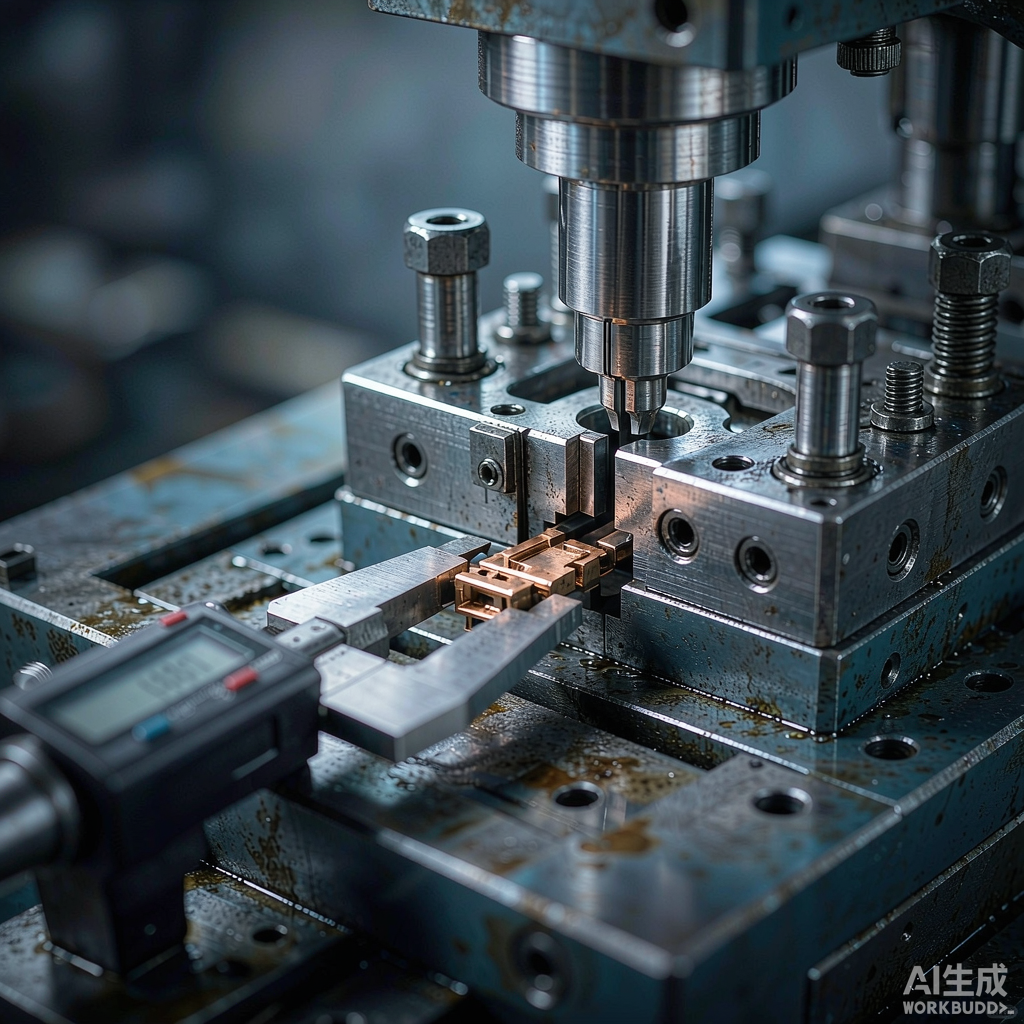
In precision mold manufacturing, the difference between a successful production run and a costly failure often comes down to a single decimal point. A tolerance of ±0.01mm (10 micrometers)—about one-fifth the thickness of a human hair—can determine whether parts fit perfectly or end up in the scrap bin.
What Does ±0.01mm Actually Mean in Practice?
For context, a standard human hair is approximately 70–80 micrometers thick. That means ±0.01mm is less than 1/7th of a hair’s width. In high-precision industries like automotive connectors, medical device components, or electronics enclosures, this level of control isn’t optional—it’s mandatory.
The Real Cost of Tolerance Errors
When tolerances aren’t held, the consequences cascade quickly:
- Part rejection at QC: Out-of-spec parts cannot be used
- Rework and scrap: Materials and machining hours are wasted
- Delayed shipments: Downstream assembly lines may halt
- Customer complaints and lost contracts: Repeatability issues damage reputation
Industry Tolerance Standards for Precision Molds
| Mold Component | Typical Tolerance | Measurement Method |
|---|---|---|
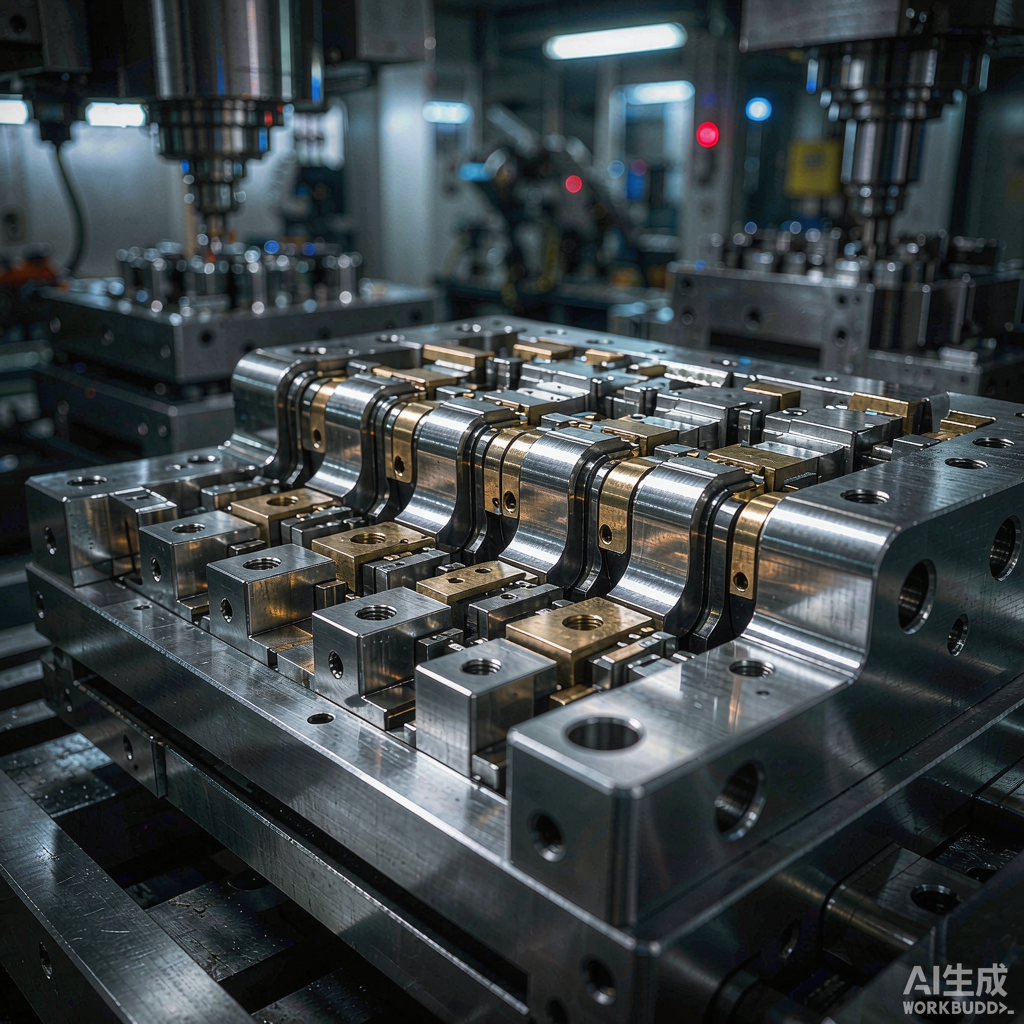
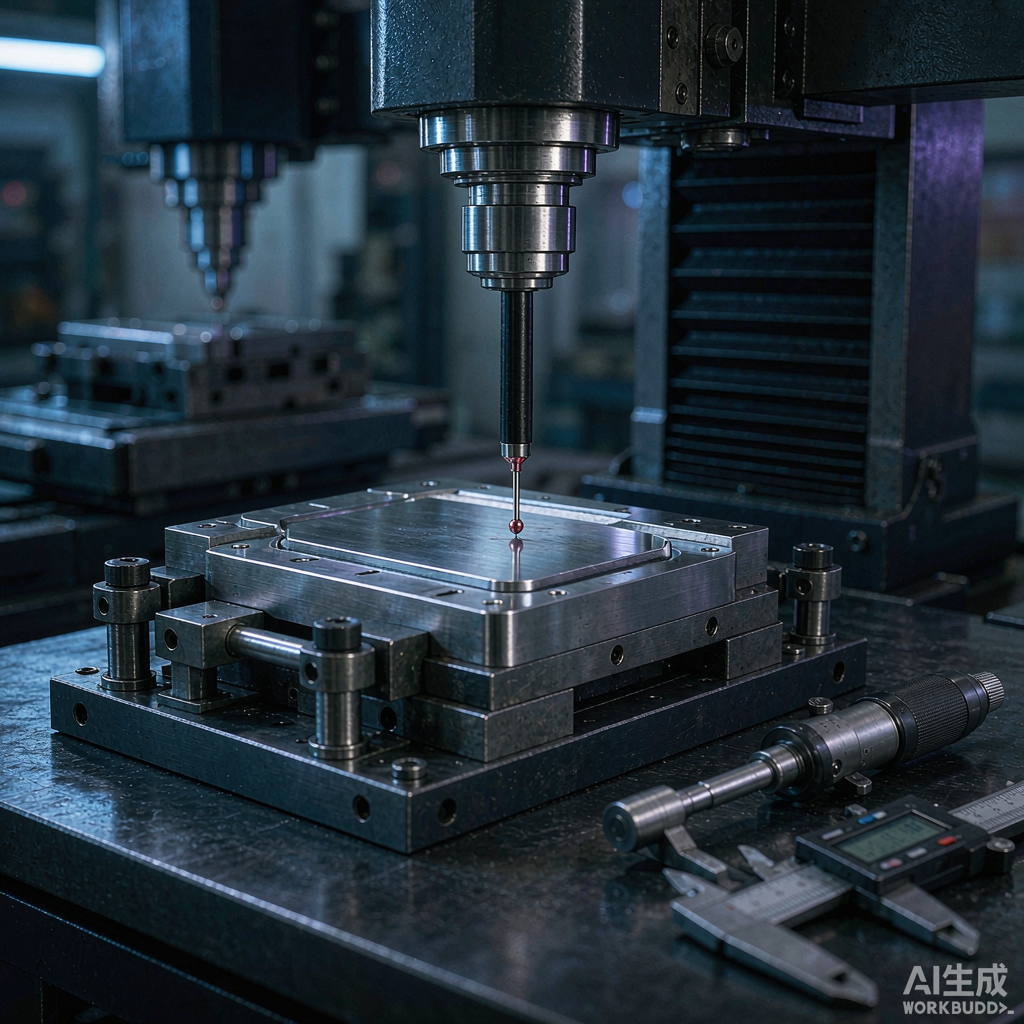
| Cavity dimensions | ±0.005 – ±0.02mm | CMM, optical comparator |
| Core dimensions | ±0.005 – ±0.02mm | CMM, pin gauges |
| Guide pillar centers | ±0.005 – ±0.01mm | CMM, arbor press |
| Ejector pin positions | ±0.02 – ±0.05mm | Optical system, go/no-go |
| Parting line flatness | < 0.02mm total | Surface plate, feeler gauge |
Key Factors That Affect Tolerance Control
Achieving ±0.01mm consistency requires mastery across multiple dimensions:
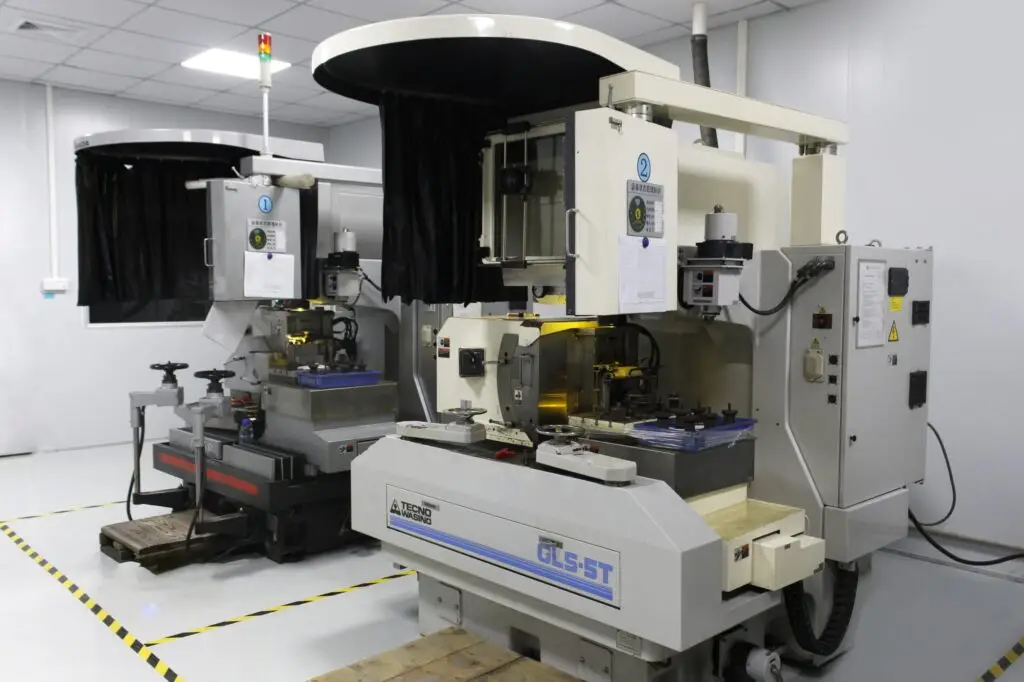
- Machine capability: CNC machines must have positioning accuracy within 0.005mm or better
- Tool wear monitoring: Carbide and diamond tools must be checked and replaced at proper intervals
- Thermal stability: Steel expands with heat; shops must maintain controlled ambient temperatures (typically 20°C ± 1°C)
- Measurement environment: Calibration of CMMs and gauges must be current and traceable
- Operator skill: Programming and setup experience directly impact first-pass yield
DFM: Building Tolerances In from the Start
Design for Manufacturability (DFM) is not just a buzzword—it is the discipline that prevents tolerance problems before a single piece of steel is cut. By reviewing part geometry, wall thicknesses, draft angles, and critical fit dimensions during the quoting and design phases, engineers can specify tolerances that are achievable and necessary.
Not every dimension needs to be ±0.01mm. Over-specifying tolerances adds cost without value. The art is in knowing which dimensions are truly critical and which can accept looser tolerances without affecting function.
Conclusion: Precision Is a Process, Not a Promise
Tolerance control at ±0.01mm is achievable—but only when the entire manufacturing ecosystem is aligned: machine, method, measurement, material, and manpower. Mold makers who invest in process discipline and in-process inspection consistently outperform those who rely solely on final QC.
If you are sourcing precision molds and want to understand how tolerance decisions affect your total cost of ownership, we are happy to discuss your project specifics.
Ready to discuss your precision mold project? Contact us at rockie.liu@preciseworksplus.com or visit preciseworksplus.com to request a quote. We specialize in progressive dies, injection molds, and CNC machined tooling for export to North America, Europe, and Mexico.