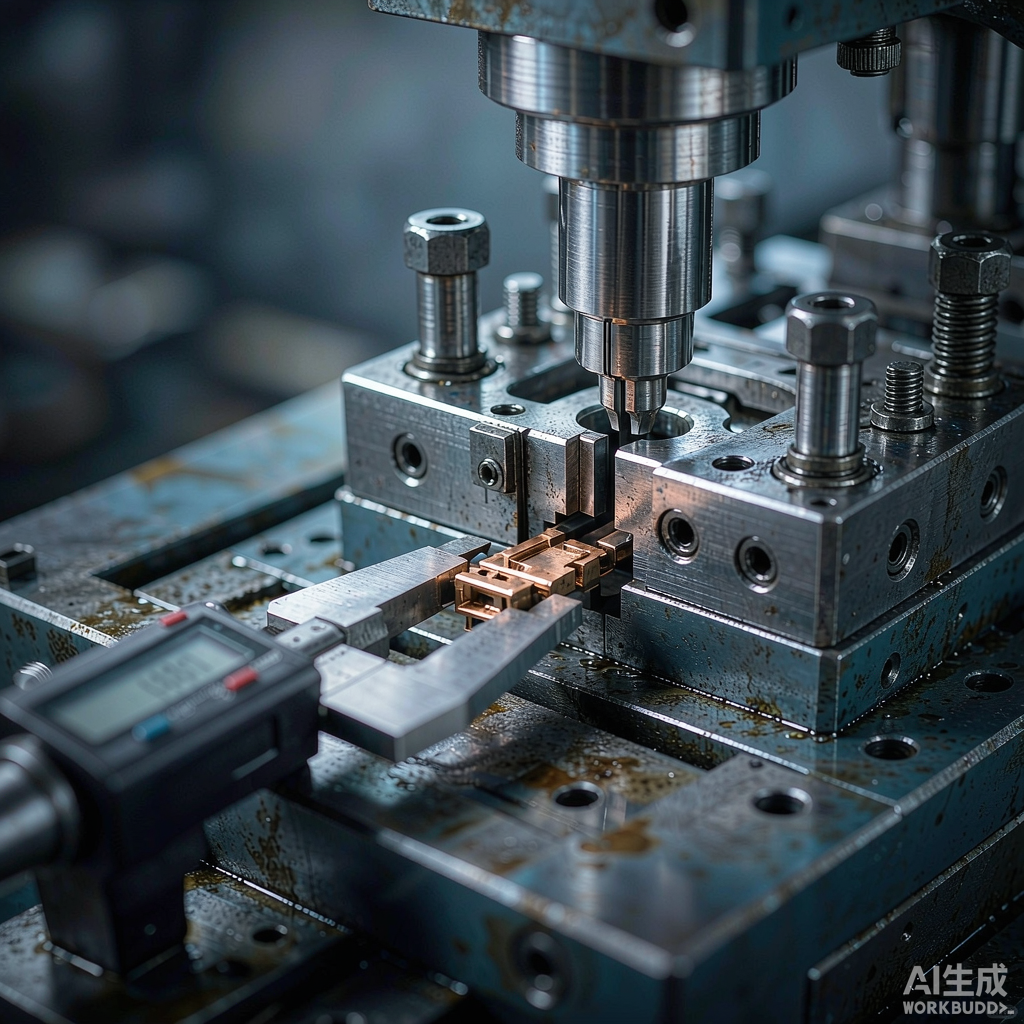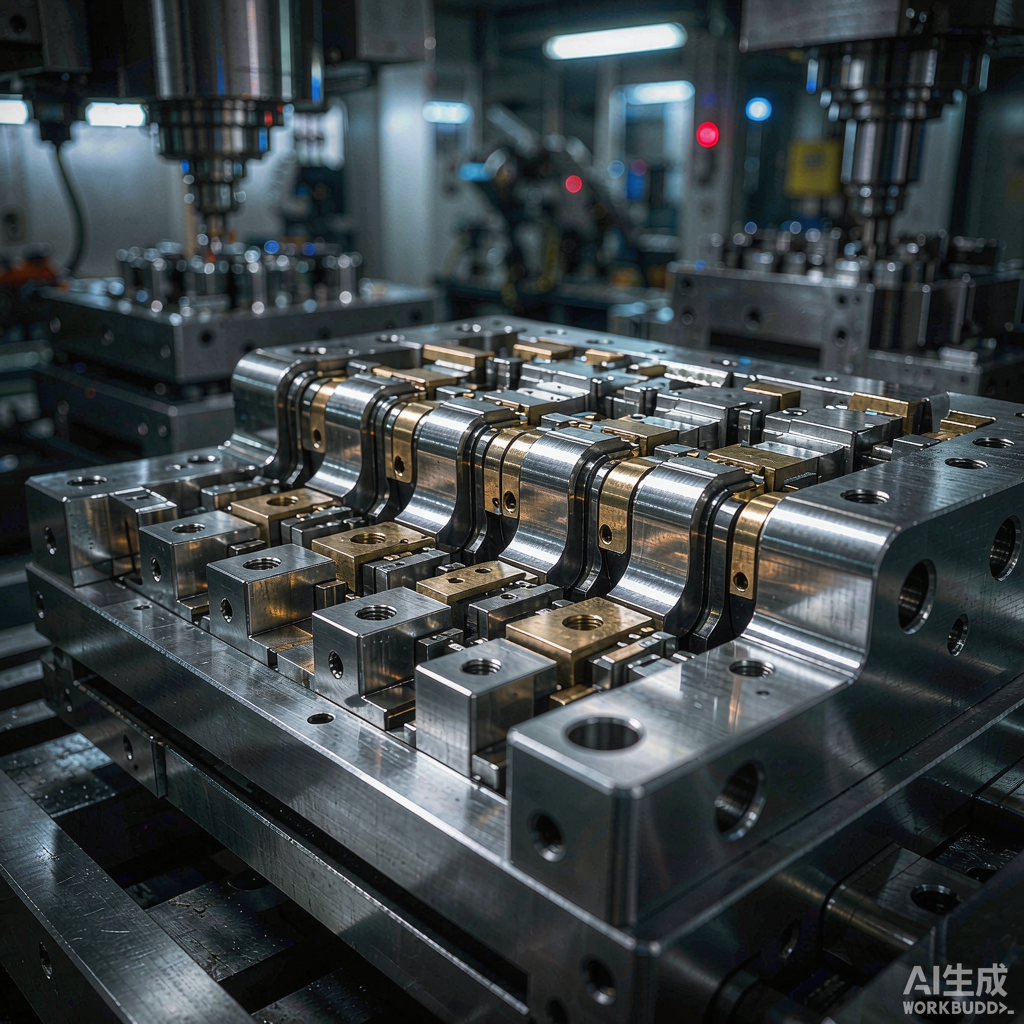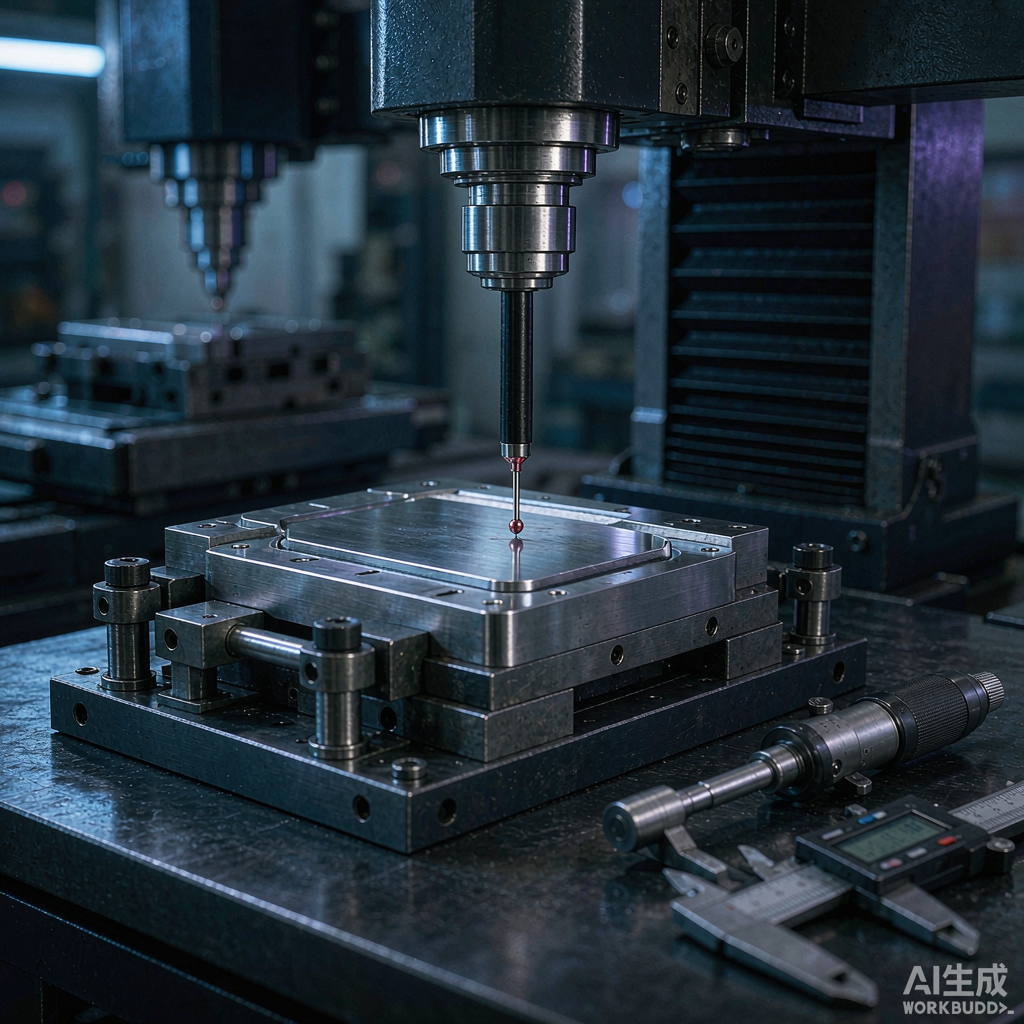

In the electrical power distribution industry, busbars serve as the “vascular system”—transmitting high currents reliably across switchgear, control panels, and renewable energy equipment. The performance and safety of busbars hinge heavily on their manufacturing quality, and stamping dies stand out as the core component that defines precision, consistency, and production efficiency. For businesses seeking to optimize busbar production or source high-performance stamping solutions, mastering the key design principles of busbar stamping dies is non-negotiable.
What You Need to Know About Busbar Manufacturing
Busbars, typically made of copper (T2/T3) or aluminum (6063/1060), are critical for ensuring low-resistance current transmission. Their manufacturing process is a synergistic workflow, with штамповка and bending as the core forming steps—stamping shapes planar features (holes, notches, contours), while bending creates 3D structures (right angles, U-shapes, Z-shapes) to fit installation spaces. Among these, stamping directly determines hole position accuracy, edge quality, and batch consistency—making die design the cornerstone of high-quality busbar production.
Core Design Essentials for Busbar Stamping Dies
Busbar stamping dies must be tailored to the unique properties of copper and aluminum (soft, prone to adhesion, low wear resistance) while meeting strict precision requirements. Below are the key design principles to ensure die performance, longevity, and product quality.
1. Material Compatibility: Adapt to Copper/Aluminum Characteristics
The soft nature of copper and aluminum poses challenges like die adhesion, burr formation, and rapid wear. Die material selection and surface treatment are critical:
- Core Components (Punch & Die): Use high-wear alloy steels such as Cr12MoV or SKD11, quenched to 58–62 HRC. This ensures sufficient hardness to resist wear from repeated stamping of soft metals.
- Surface Treatment: Apply nitriding (surface hardness ≥850HV) or TD coating to the punch and die edges. This reduces friction between the die and busbar, preventing material adhesion and minimizing burrs.
- Stripper & Pressure Plates: Adopt 45# steel (quenched and tempered) or aluminum alloy for lightweighting. Polish contact surfaces to avoid scratching the busbar’s surface, which could compromise conductivity and corrosion resistance.
2. Clearance Design: The Key to Burr-Free and Deformation-Free Products
Improper stamping clearance leads to excessive burrs, product deformation, or accelerated die wear. Clearance must be precisely calibrated based on busbar material and thickness:
- Copper Busbars: Set clearance to 6%–8% of the material thickness. For thin sheets (≤3mm), use 6%; for thick sheets (>3mm), increase to 8% to balance edge quality and die life.
- Aluminum Busbars: Use a smaller clearance of 4%–6% due to their softer texture. A tighter clearance prevents material adhesion to the die but avoids excessive friction that causes wear.
- Special Contours: For irregular profiles or sharp corners, reduce clearance by 10% at stress concentration points to prevent die edge chipping and ensure smooth cuts.
3. Structural Design: Ensure Precision and Stability
Guide Accuracy & Rigidity
Adopt ball guide pillars and bushings with a guide clearance ≤0.01mm to maintain punch-die alignment. For thick busbars (≥10mm), thicken the die plate (thickness ≥3x the busbar thickness) to resist deformation under high stamping force.
Positioning Mechanism
For mass production, progressive dies with dual positioning (side edge for step control + pilot pin for precision correction) are ideal, ensuring hole spacing tolerance within ±0.05mm. For single-process dies, use locating pins and stoppers with a fit clearance ≤0.02mm to prevent material shifting.
Stripping & Scrap Handling
Soft metals easily stick to punches, so design a rigid stripper plate with polyurethane elastic components for uniform stripping force, avoiding product warpage. Add 0.5–1mm air blow holes in punches to remove scrap and prevent clogging. For large scrap pieces, integrate scrap cutters to break long strips into manageable segments.
4. Process Compatibility: Integrate with Subsequent Manufacturing
Die design must align with post-stamping processes (bending, plating, insulation) to avoid rework:
- Reserve bending datums (locating notches/holes) during stamping to ensure hole position accuracy after bending.
- Maintain a distance of ≥2x the material thickness between cut edges and bending lines to prevent stress cracking during bending.
- For batch production, integrate multi-process progressive dies (punching → trimming → chamfering → blanking) to reduce workflow errors and boost efficiency.
Why High-Quality Stamping Dies Matter for Your Busbar Business
Investing in well-designed busbar stamping dies delivers tangible benefits: reduced burrs and rework rates, consistent product precision, extended die lifespan (lower maintenance costs), and faster mass production. For electrical equipment manufacturers, this translates to more reliable busbars, improved product competitiveness, and better profit margins.
Whether you’re producing standard copper/aluminum busbars or custom-shaped units for renewable energy or industrial applications, our team specializes in tailored stamping die solutions. We combine material expertise, precision engineering, and process integration to design dies that meet your unique production needs. Let’s collaborate to elevate your busbar manufacturing efficiency and quality. Свяжитесь с нами now to get a free quote!