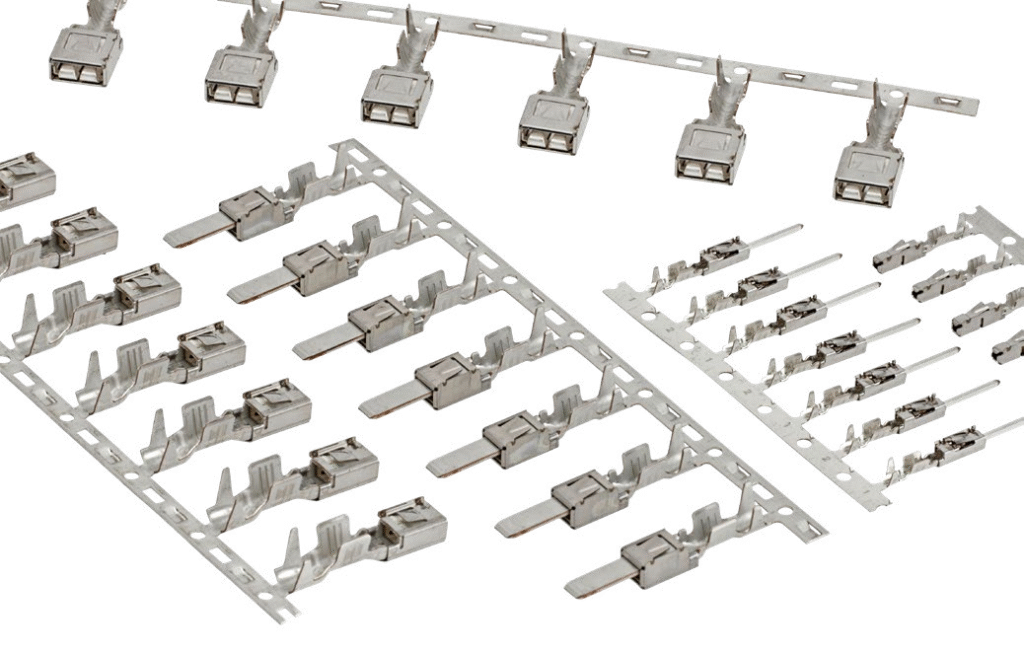
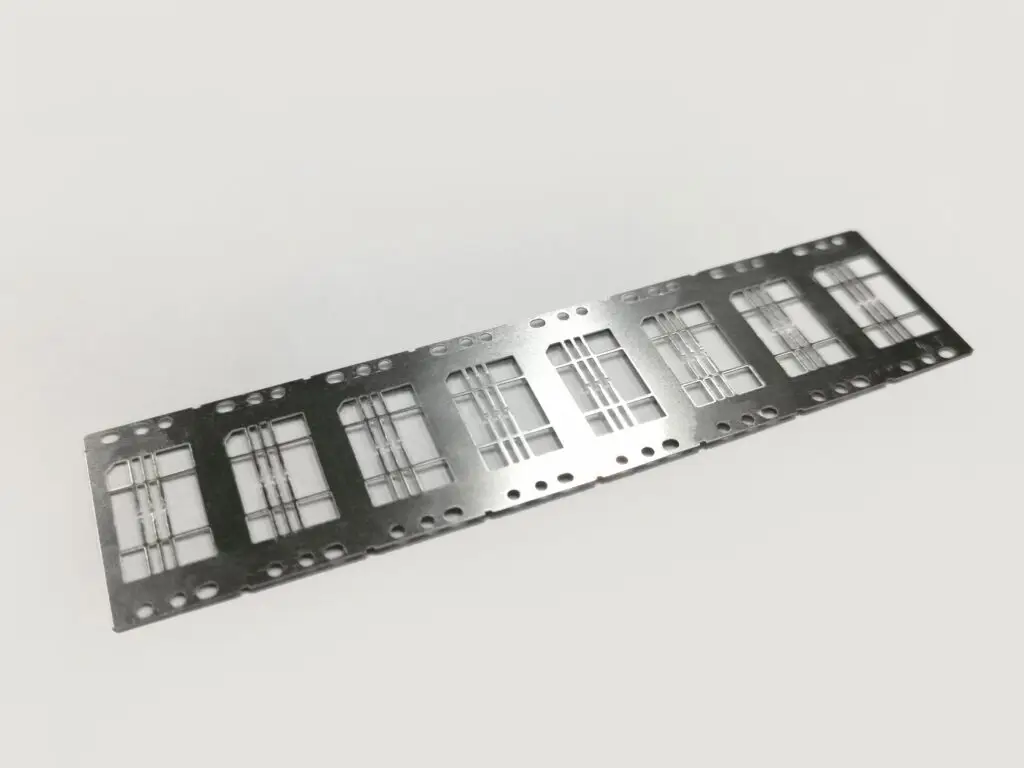
1. A 60-second history lesson
From gramophones to galaxies
| Era | What happened | Why it mattered |
|---|---|---|
| Pre-1950 | Pure Sn hot-dip on wirewound resistors | Sn whiskers crashed early radar sets |
| 1950-60 | Acid Sn-Pb plating baths commercialised | 63/37 eutectic melts at 183 °C—perfect for hand-soldering |
| 1970-90 | HASL takes over PCBs, but connector bodies, relay leads, RF shields stay electroplated Sn-Pb | Plated layers give 5 µm accuracy; HASL can’t hit ±1 µm on 0.4 mm pitch |
| 2003 | EU RoHS triggers global lead-free switch | Consumer market exits, yet aerospace, defence, medical implants, down-hole drilling keep exemption |
| Today | Pure Sn whisker risk rediscovered (NASA, ESA) | OEMs quietly re-qualify Sn-Pb for tin-whisker mitigation plans per GEIA-STD-0005 |
2. The chemistry that still wins
Typical bath we run:
Methane-sulfonic acid (MSA) system, 60/40 or 63/37 Sn-Pb, proprietary grain-refiner, < 0.5 µm Ra as-plated
| Parameter | Spec we deliver | Comments |
|---|---|---|
| Thickness | 2.5 – 13 µm | MIL-STD-1276D window |
| Alloy control | ± 2 wt % Pb | XRF checked every 2 h |
| Whisker test | 55 °C / 85 % RH, 4000 h | Zero whiskers vs pure Sn fail at 500 h |
| Solderability | 0 s wetting time | J-STD-002, 245 °C Sn-Pb wave |
3. Where Sn-Pb still outruns “green” finishes
| Application | Pain-point Sn-Pb fixes | Lead-free alternative gap |
|---|---|---|
| RF micro-coax connector, 1.0 mm pitch | Needs 5 µm uniform pocket plating; HASL bridges, ENIG skin effect loss | Immersion Ag too porous, Sn-Bi brittle |
| Down-hole sensor pressure port | 200 °C service, thermal-fatigue 1000 cycles | Pure Sn re-flows at 232 °C, pumps whiskers |
| Ceramic hermetic feed-through | Pre-tinning before Au-Sn brazing | Sn-Pb melts, wets, then dissolves—no gold embrittlement |
4. Our specialty: barrel & rack Sn-Pb on precision micro-parts
Parts we plate every week
- Swaged brass contacts for cryogenic Sat-Com (barrel, 0.4 mm OD, 6 mm long)
- 17-4 PH stainless valve spools for ventilators (rack, 2 mm bore, Ra 0.2 µm before plate)
- Cu-Be spring fingers for Mil-Aero LRU housings (selective spot barrel)
Process controls that matter
- Individual cathode wiring on rack fixtures—no twin-contact shadow.
- Teflon-lined oblique barrels, 6 RPM, 1 °C temperature rise—eliminates part-to-part alloy drift.
- Post-plate fusing option (215 °C, N₂) to erase pores & cut insertion force 15 %.
- 100 % XRF coupon mapping; CpK > 1.67 on thickness & Pb %.
5. Sustainability & compliance
- All effluent passes zero-discharge MSA regeneration loop; Pb recovered as carbonate cake, recycled to battery industry.
- RoHS exemption certificates provided with every lot—keep your SCIP database clean.
- REACH SVHC statement available; Pb declared < 0.1 % homogeneous (exemption article 4(2)).
6. Ready to spec Sn-Pb again?
Send your drawing to Precise Works PLus—step-turned pin, micro-spring, deep-drawn shield—we’ll plate 2 µm or 12 µm, matte or light, and ship with wetting-balance & whisker data in the COA.
Get a 24-hour quote from China → Contact Us – preciseworksplus.com
Because some reliability problems were solved in 1955—and never beaten since.