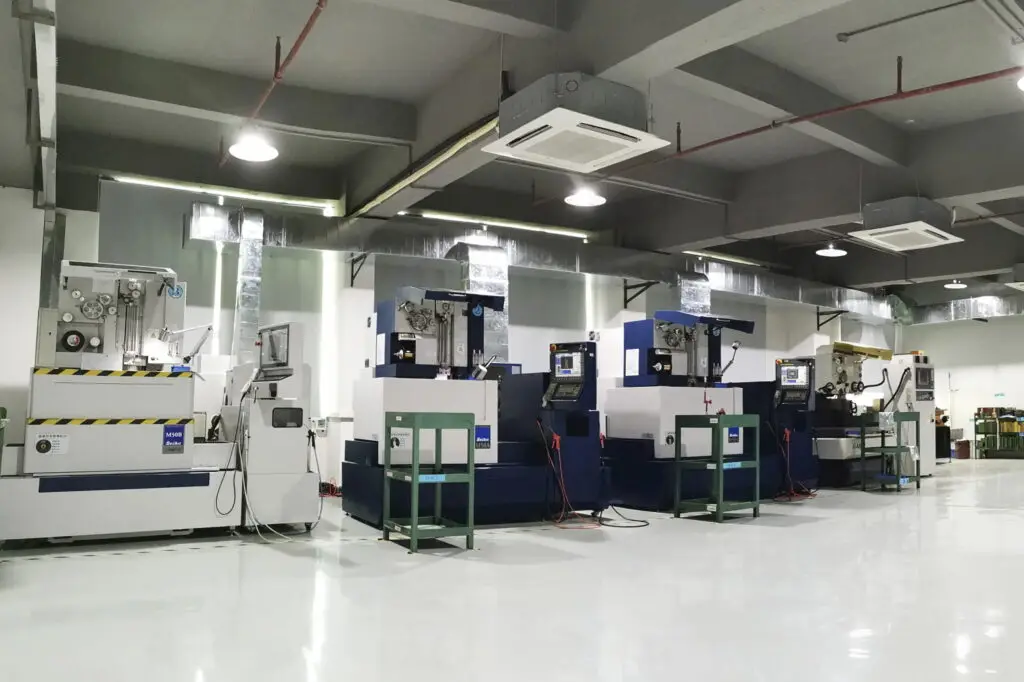
Automotive Connector Mold Supply Chain Trends 2026: Mexico vs. China — What Buyers Need to Know
The global automotive connector market is undergoing a seismic shift. With USMCA trade rules tightening, nearshoring momentum accelerating, and China’s mold manufacturing capabilities advancing at breakneck speed, procurement managers face a strategic dilemma: Should your next precision mold come from Mexico or China?
This article breaks down the latest supply chain data, cost structures, and capability benchmarks so you can make an informed sourcing decision for automotive connector molds in 2026.
1. The Macro Picture: Automotive Connector Demand Is Surging
Modern vehicles contain 150–300 connectors per unit, and the transition to EVs is amplifying this — electric vehicles require up to 40% more connectors than ICE models. The global automotive connector market is projected to reach $28.5 billion by 2028, growing at a CAGR of 7.2%.
This growth creates massive demand for precision stamping dies and injection molds used in connector production — and that demand is reshaping the global mold supply chain.
2. Mexico: The Nearshoring Advantage
Since USMCA implementation, Mexico has attracted over $15 billion in new automotive manufacturing investment (2022–2026). States like Aguascalientes, Guanajuato, and Jalisco have become dense clusters of Tier 1 and Tier 2 automotive suppliers.
Key Strengths of Mexican Mold Sourcing
- USMCA compliance: Parts produced in Mexico qualify for duty-free entry into the US, provided they meet regional value content (RVC) rules — typically 75% for automotive components
- Logistics speed: 2–5 day ground shipping to US assembly plants vs. 30–45 days sea freight from China
- Responsive communication: Same time zones (CST/EST), easier on-site visits and debug cycles
- Growing mold capability: Mexican shops are investing in new CNC and wire EDM equipment, especially for progressive dies under 500mm width
Limitations to Consider
- Scale constraints: Most Mexican mold shops are small-to-medium (20–80 employees), limiting capacity for complex multi-cavity injection molds
- Tolerance ceiling: While improving, consistent ±0.005mm tolerance delivery on high-pin-count connector dies remains a challenge for many shops
- Material availability: Special tool steels (e.g., carbide inserts, SKD11/JIS equivalents) often need to be imported, adding 2–3 weeks to lead time
- Higher unit cost: Per-mold pricing is typically 20–35% above Chinese equivalents for the same specification
3. China: The Capability and Cost Leader
China produces over 60% of the world’s precision stamping dies for electronic connectors. The Yangtze Delta (Shanghai/Suzhou/Kunshan) and Pearl River Delta (Dongguan/Shenzhen) clusters alone contain thousands of specialized mold shops with deep automotive connector experience.
Key Strengths of Chinese Mold Sourcing
- Unmatched cost efficiency: Progressive dies for 50–200-pin connectors typically cost 30–50% less than Mexican or European equivalents
- Deep specialization: Shops with 15+ years of connector die experience understand strip layout, pilot timing, and thin-wall stamping at a level few Mexican shops can match
- Full supply chain integration: Tool steel, carbide inserts, EDM wire, and surface treatment vendors are all within 50km — lead times for materials are days, not weeks
- Complex mold capability: Multi-cavity injection molds for connector housings (32–96 cavities) with ±0.01mm tolerance are routinely delivered
- Fast prototyping: T1 sample delivery in 10–15 days for stamping dies; 20–25 days for injection molds
Risk Factors to Manage
- Tariff exposure: US Section 301 tariffs on Chinese goods remain at 25% for many mold-related categories, though some tooling classifications may qualify for exemptions
- Logistics latency: 30–45 day sea freight; air freight adds $8–15/kg for urgent shipments
- Communication gap: 12–14 hour time zone difference; requires disciplined async communication and milestone-based project management
- IP concerns: Proper NDA structures and phased data release protocols are essential for proprietary connector designs
4. Cost Comparison: Mexico vs. China (2026 Data)
| Mold Type / Factor | Mexico (USD) | China (USD) | Difference |
|---|---|---|---|
| 50-pin progressive die (stamping) | $45,000 – $55,000 | $28,000 – $35,000 | –35% to –40% |
| 96-cavity injection mold (connector housing) | $80,000 – $110,000 | $55,000 – $75,000 | –30% to –35% |
| T1 sample lead time (stamping die) | 25–35 days | 10–15 days | –50% to –60% |
| Sea freight to US (per mold set) | N/A (ground) | $1,200 – $2,500 | +Freight cost |
| Ground shipping to US (Mexico) | $300 – $800 | N/A | Lower |
| US tariff exposure (Section 301) | 0% | 25% (potential) | +25% risk |
| On-site debug visit (3 days) | $1,500 – $2,000 | $5,000 – $8,000 | +300% to +400% |
Note: Chinese pricing assumes direct factory sourcing (no trading company margin). Tariff figures reflect current US Section 301 schedule; individual classifications may vary.
5. Capability Benchmark: Who Can Deliver What?
| Capability Metric | Top Chinese Shops | Top Mexican Shops | Gap Assessment |
|---|---|---|---|
| Stamping tolerance (progressive die) | ±0.003mm | ±0.008mm | China leads (2.6x) |
| Max die stations (progressive) | 60+ | 30-40 | China leads |
| Injection mold cavities | 96–128 | 32–64 | China leads |
| Carbide insert in-die integration | Standard | Limited | China leads |
| ISO 9001 / IATF 16949 certification | 85%+ of tier-1 shops | 60%+ of established shops | China slightly ahead |
| USMCA qualification support | N/A | Full documentation | Mexico exclusive advantage |
Benchmark data compiled from industry interviews and trade show surveys (SAMPE, NPE, AUTOMOTIVE WORLD 2025–2026).
6. Strategic Decision Framework: When to Choose Mexico vs. China
There is no universal “better” option — the right choice depends on your specific situation. Here’s a decision framework:
- Choose Mexico when: your program requires USMCA-compliant content, you need <25-day logistics cycles, your molds are standard complexity (under 40 stations>
- Choose China when: cost optimization is paramount, your connector design is high-complexity (50+ stations / 96+ cavities), you need ±0.005mm or tighter tolerances, or you can manage 30–45 day logistics with proper planning
- Consider a dual-source strategy: Use China for complex, high-volume production molds and Mexico for rapid-turnaround tools, debug iterations, and USMCA-qualifying components — this hybrid approach is increasingly adopted by leading Tier 1 connector manufacturers
7. What This Means for Your Next Mold Purchase
The Mexico vs. China decision isn’t binary — it’s about matching supply chain architecture to product requirements. The smartest buyers in 2026 are building flexible sourcing portfolios that leverage each region’s strengths while managing their respective risks.
Three actionable steps:
- Map your connector portfolio by complexity tier — simple housings can go to Mexico; high-pin-count signal connectors likely need Chinese capability
- Run a landed-cost model that includes tariffs, freight, debug travel, and schedule risk — not just unit price
- Establish dual qualified suppliers in both regions before your next RFQ cycle, so you have options when trade policy shifts
Need Help Evaluating Your Mold Sourcing Options?
На сайте PrecisionWorks Plus, we manufacture precision connector molds in China and ship globally — with full documentation, ISO/IATF certification, and transparent landed-cost quoting. Whether you’re considering a China-first strategy or a dual-source approach, we can help you model the economics and deliver the tooling.
📧 rockie.liu@preciseworksplus.com
🌐 preciseworksplus.com
Data sources: USITC tariff schedules (2025–2026), USMCA regional value content rules, industry interviews with Tier 1 connector procurement managers (Q1–Q2 2026), SAMPE and Automotive World trade show surveys, Mexican automotive cluster investment data (INEGI/AMIA).